
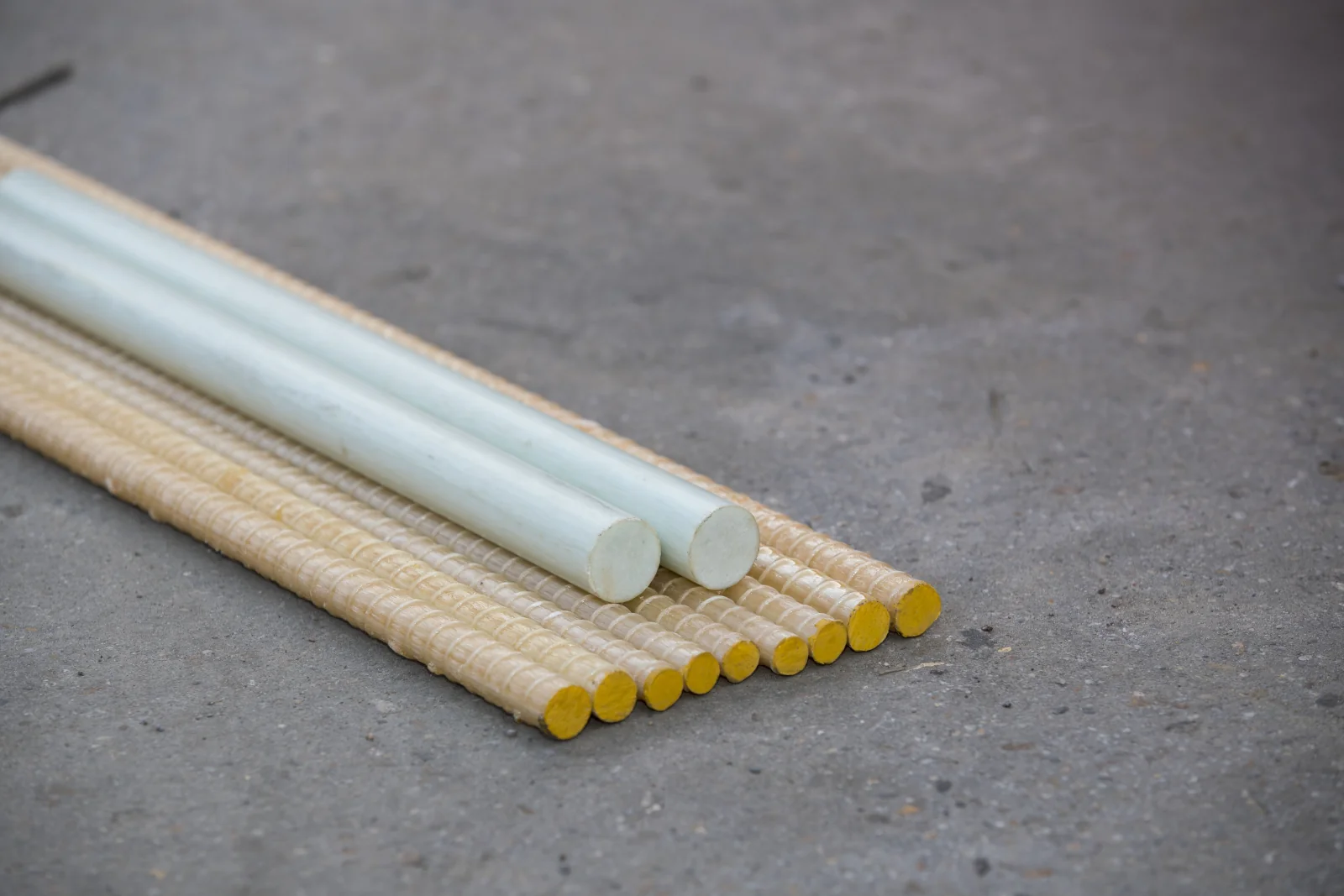
Fiberglass rebar is gaining ground in infrastructure because it helps you build lighter, more durable concrete structures with less risk of corrosion. The key is knowing exactly where it adds value, and where steel can still be the better fit.
Key takeaways
- Fiberglass rebar does not rust, which makes it highly suitable for aggressive environments such as road infrastructure, bridge decks, marine areas, and industrial concrete.
- It is significantly lighter than steel, which can improve handling, reduce labor intensity, and support faster installation on site.
- The main trade-offs are higher upfront material cost, lower stiffness, and different failure behavior, so application and design fit matter.
- For many infrastructure projects, the choice is not just about purchase price. It is about service life, maintenance risk, and total cost of ownership.
What Is Fiberglass Rebar?
Fiberglass rebar, also called GFRP rebar, is a non-metallic reinforcement made from glass fibers and resin. Unlike steel reinforcement, it is corrosion-resistant, lightweight, and non-conductive. That makes it a strong option for concrete structures exposed to moisture, chlorides, chemicals, or environments where long service life matters.
At Fiber Dowels, fiberglass rebar is applied in infrastructure concrete projects where durability, lighter handling, and efficient installation are important. The same thinking is behind Fiber Dowels solutions for concrete pavements, dowel systems, and patented basket systems.
Why More Projects Are Comparing Fiberglass to Steel
More projects are comparing fiberglass to steel because the real cost of reinforcement is not limited to the purchase price. Corrosion risk, service life, site handling, installation speed, maintenance exposure, and labor availability all influence the final outcome. In aggressive environments, steel can perform well, but corrosion remains one of the main long-term risks in reinforced concrete. That is exactly why more contractors, engineers, and asset owners are reassessing reinforcement choices earlier in the design phase.
This also aligns with the Fiber Dowels “fiberglass vs steel” position: if you want to reduce lifting on site, improve durability, and move toward more future-proof infrastructure, fiberglass becomes a serious alternative to traditional steel reinforcement.
The Biggest Pros of Fiberglass Rebar
Corrosion resistance
One of the biggest advantages of fiberglass rebar is that it does not rust. In bridge decks, road slabs, marine structures, wastewater facilities, and other chloride-rich or wet environments, that can make a major difference over the life of the structure. Less corrosion risk can mean less maintenance, fewer repairs, and a longer functional service life.
For infrastructure, this is often the deciding factor. If your project will face de-icing salts, moisture, or chemical exposure, fiberglass reinforcement can help you avoid the long-term weaknesses associated with corroding steel. That is also why Fiber Dowels products are used in durable road infrastructure and heavy-duty concrete applications.
Low weight and easier handling
Fiberglass rebar is much lighter than steel. In practice, that can reduce labor intensity, simplify transport, and make on-site placement easier. For contractors and project teams, lighter reinforcement supports faster workflows and less physical strain during installation.
That benefit becomes even more visible when reinforcement is combined with smart installation systems. For example, the patented fiberglass dowel baskets and fiberglass rebar baskets from Fiber Dowels are designed to support faster, more efficient placement in concrete pavement projects.
High tensile performance
Fiberglass rebar offers a strong strength-to-weight ratio. While its mechanical behavior differs from steel, it is known for high tensile capacity relative to its low weight. This is one of the reasons it is increasingly considered in infrastructure projects where durable reinforcement and easier handling need to go together.
For project teams, that means you are not simply choosing a lighter product. You are choosing reinforcement engineered for modern concrete structures where corrosion resistance, handling efficiency, and long-term performance all matter.
Electromagnetic neutrality
Fiberglass rebar is non-conductive and electromagnetically neutral. In environments with sensitive equipment, signaling systems, or electrical considerations, that can be a practical advantage over steel. This property is relevant in selected infrastructure and technical applications where interference must be minimized.
The Biggest Cons of Fiberglass Rebar
Higher upfront cost
The main objection you will hear first is price. In many cases, fiberglass rebar has a higher upfront material cost than black steel. If you only compare purchase price, steel may seem more attractive.
Still, upfront cost is only one part of the decision. In corrosion-prone environments, maintenance risk, repair cycles, downtime, and service life can shift the economic picture. That is why many projects compare fiberglass and steel on total cost of ownership instead of material cost alone.
Lower stiffness than steel
Fiberglass rebar generally has a lower modulus of elasticity than steel. In simple terms, it is less stiff. That means design, crack control, and deflection behavior need proper attention during engineering. Fiberglass should not be treated as a one-to-one steel replacement without checking the design requirements.
This is not a reason to avoid fiberglass. It is a reason to specify it correctly. In the right application, it performs very well. In the wrong application, or without the right design approach, you can lose the benefit.
Different failure behavior
Steel is ductile. Fiberglass behaves differently and does not fail in the same gradual way. That is an important consideration for design teams and contractors. Material choice should match the structural function, load case, and detailing approach of the project.
Application and design fit matter
Fiberglass rebar is not “better” in every situation by default. It is better in the applications that benefit most from corrosion resistance, lower weight, non-conductivity, and long-term durability. Steel may still be preferred where conventional detailing, local familiarity, or specific stiffness demands dominate the decision.
Fiberglass Rebar vs Steel: When Each Makes Sense
When fiberglass rebar makes sense
Fiberglass rebar is often the smart choice when your project involves:
- road infrastructure exposed to de-icing salts
- bridge decks and pavement slabs
- marine or coastal concrete
- industrial floors with aggressive exposure
- projects where lighter handling can improve installation efficiency
- structures where lower maintenance and longer service life matter most
This is where Fiber Dowels solutions stand out. If you are already looking at fiberglass vs steel, it also makes sense to explore fiberglass dowels and fiberglass dowel baskets for concrete pavement projects that need faster installation and lower transport weight.
When steel may still be preferred
Steel may still be preferred when:
- lowest upfront material cost is the leading criterion
- the design is based on conventional steel detailing with no appetite for redesign
- stiffness requirements make steel the simpler choice
- the project environment is not strongly corrosive
- local familiarity, supply chain habits, or specifications still favor steel
What This Means for Infrastructure Projects
For infrastructure, the choice between fiberglass rebar and steel should be made at project level, not by habit. If the structure must last in harsh conditions, if handling efficiency matters, or if the client wants to reduce maintenance exposure, fiberglass can deliver clear value. If the project is cost-driven on initial purchase only, steel may still stay in the lead.
The strongest decisions come from comparing lifecycle impact, not just line-item cost. That is exactly the conversation Fiber Dowels supports with technical advice, practical product solutions, and experience from infrastructure applications across Europe.
Case study: large-scale pavement project (anonymized)
In a heavy-duty concrete pavement project, the contractor compared a conventional black steel solution with a fiberglass-based setup focused on durability and installation efficiency. The fiberglass option required a higher upfront material investment, but delivered practical gains in handling, lower corrosion exposure, and faster site logistics. That type of trade-off is consistent with how Fiber Dowels positions fiberglass reinforcement in infrastructure: not as a like-for-like price swap, but as a more durable and efficient system choice.
| Comparison | Fiberglass solution | Black steel solution |
| Material cost | Higher | Lower |
| Transport weight | Lower | Higher |
| Handling on site | Easier | Heavier |
| Corrosion risk | Very low | Higher |
| Expected maintenance exposure | Lower | Higher |
| Total cost over service life | Often more favorable in aggressive environments | Can increase through maintenance and repair |
Frequently Asked Questions
Is fiberglass rebar better than steel?
Not in every application. Fiberglass rebar is often better where corrosion resistance, low weight, electromagnetic neutrality, and long service life are priorities. Steel can still be a strong option where upfront cost or stiffness is the main driver.
What is the biggest disadvantage of fiberglass rebar?
The biggest disadvantage is usually the combination of higher upfront cost and lower stiffness than steel. That is why correct design and application selection are essential.
What is the biggest advantage of fiberglass rebar?
For many infrastructure projects, the biggest advantage is corrosion resistance. In aggressive environments, that can directly support longer service life and lower maintenance needs.
Is fiberglass rebar more expensive than steel?
Yes, in many cases the purchase price is higher. But the full comparison should include maintenance, repair risk, installation efficiency, and service life.
Can fiberglass rebar be used in roads and bridge decks?
Yes. GFRP rebar is already used in infrastructure applications such as road projects and bridge decks, especially where corrosion resistance is important.
Does fiberglass rebar rust?
No. Fiberglass rebar does not rust like steel, which is one of its most important benefits in concrete exposed to moisture, salts, or chemicals.
Contact Us
Advice on fiberglass rebar and installation
Do you want to know whether fiberglass rebar is the right fit for your project? Contact us and our experts will help you!